


How Our Training Program Helps Every Child Reach Their Fullest Potential?

Our mission is simple and purposeful: to help every child grow with care, confidence, and consistency. We support children with autism by providing structured learning environments that foster psychological safety and meaningful connections. Our goal is to create spaces where every child feels recognized, supported, and welcomed.
Strong staff training is the foundation of this mission. Well-prepared teams create steady progress for children by bringing calm, clarity, and trust into every session. Through comprehensive training, staff build confidence, consistency, and thoughtful care. This strong foundation ensures that each child receives individualized support that meets their unique needs and supports long-term learning and success.


Building a Strong Foundation: How Our Training Program Prepares Staff to Support Every Child?
Our training path follows a precise, steady sequence. Each step builds real skill. New staff learn who we are and what we value. They meet leaders and clinical teams who guide their growth. This early support creates trust and confidence.
Foundational training follows, focusing on core methodologies and hands-on practice. Staff apply skills in real-time settings with guidance and feedback. Expectations increase gradually as confidence, independence, and competence grow.
Key Elements Include:
-Increased responsibility aligned with growing confidence
-Clear overview of our mission and model
-Warm welcome from leaders and clinical mentors.
-Strong focus on the child’s needs and support plans.
-Hands-on practice with guidance and feedback.
-Gradual skill-building through planned milestones.
This structured approach ensures staff stay prepared, grounded, and ready to support every child with consistency.
Onboarding That Empowers Staff From Day One
Our onboarding process gives new staff a clear and steady start. They learn our teaching model and guiding ideas. They see how structure and warmth support each child from day one. Early trust-building remains a key focus in this phase.
New staff are trained to recognize learning styles, motivators, and individual support needs. They learn to identify signs of comfort, engagement, and stress, allowing them to respond with care and composure. By the time they enter the classroom, they feel prepared, confident, and connected.
Key Onboarding Supports Include:
– Clear training on our teaching model.
-Strong focus on early relationship-building.
-Tools to observe learning patterns.
-Guidance to identify motivators and needs.
-Strategies for personalized support.
These supports help new staff enter the classroom with confidence and a sense of connection.
Specialized Training That Drives Better Outcomes for Children
Every child learns differently. Our training equips staff to recognize and respond thoughtfully to these differences. Team members are trained to observe patterns, document progress, and identify what motivates each child. This intentional approach encourages natural, meaningful growth.
Through coaching and hands-on practice, staff learn to individualize instruction by adjusting tone, pace, materials, and levels of support. This flexibility helps children feel secure, motivated, and supported throughout the learning process.
Core Specialized Training Areas include:
-ABA methods for clear skill-building.
-Sensory support strategies.
-Communication tools and modeling.
-Behavior observation techniques.
Training Focus Table
| Training Area | Staff Skill Gained |
| ABA Methods | Structure for skill growth |
| Sensory Supports | Ways to reduce stress |
| Communication Strategies | Tools to boost expression |
| Behavior Observation | Insight into the child’s needs |
These tools help staff guide each child toward stronger engagement and greater independence.
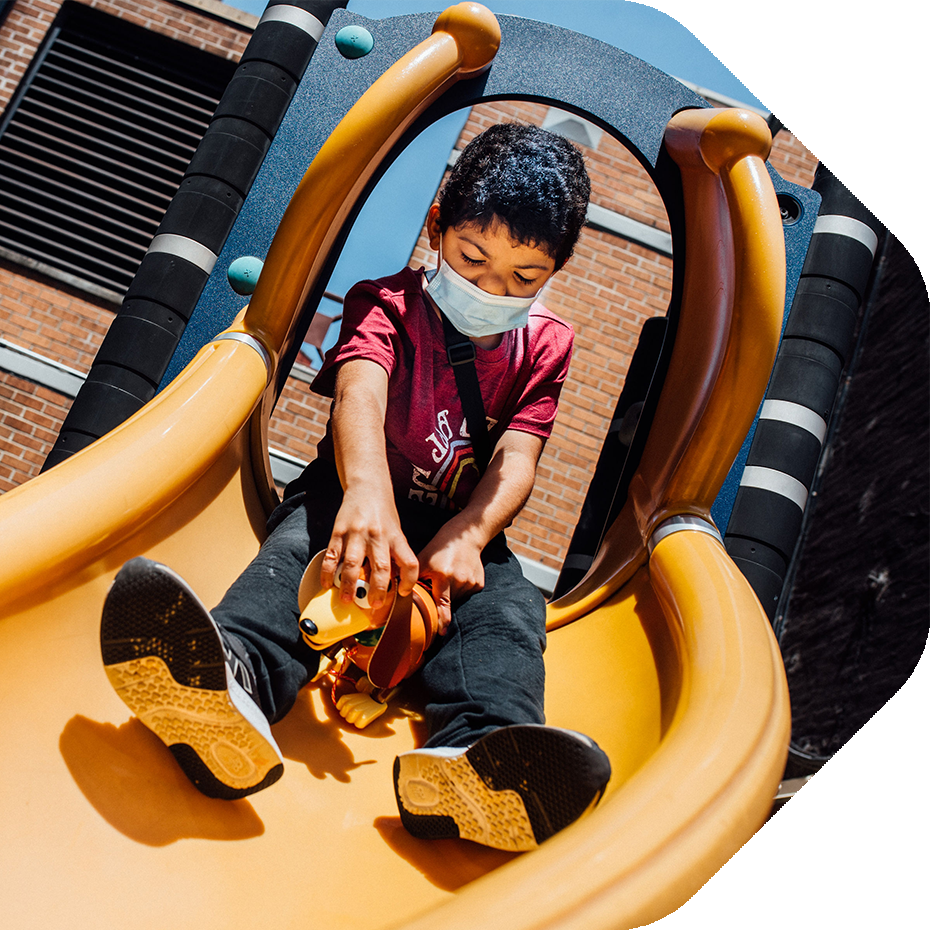
Training Staff to Recognize and Nurture Each Child’s Unique Strengths
Our training emphasizes treating each child as a whole person with emotions, strengths, fears, and aspirations. When staff recognize and honor these qualities, strong and trusting relationships develop. These connections help children feel secure, open, and ready to learn.
Coaching sessions and hands-on practice help staff personalize each teaching step. They learn how to adjust tone, pace, tools, and support. This flexibility helps children feel safe and motivated during learning.
Key practices include:
-Observing each child as an individual.
-Identifying motivators and interests.
-Tracking engagement styles and patterns.
-Adapting teaching to fit each child.
These activities make children feel appreciated, challenged, prepared, and moulded to achieve success.
The Role of Empathy, Patience, and Mindfulness in Our Work
During our training, staff are taught to treat a child as a person. Each child has feelings, assets, phobias, and aspirations. When employees are aware of it, they establish further bonds. Such relations enable children to feel secure, open, and able to learn.
Authentic development is sustained by emotional security. The children can learn effectively when they are respected and relaxed. The staff uses mindful teaching to be attentive in every moment. They learn to stop, breathe, look, and act deliberately. This will foster parent-child trust and reduce children’s stress.
Core principles include:
-Seeing each child beyond behaviors.
-Building emotional safety through calm actions.
-Using patient, mindful responses.
-Practicing compassion in each interaction.
-Creating space for student choice and voice.
The principles can be used to establish classrooms that are full of trust, understanding, and valuable development.
Ongoing Professional Development That Leads to Measurable Progress
We believe strong learning never ends. Our commitment to ongoing training helps staff grow with purpose and clarity. This growth supports better instruction and stronger relationships with children. When staff feel confident, children make steady, measurable progress.
Professional development includes skill-building workshops, real-time coaching, and certification opportunities. These experiences strengthen instructional quality and deepen staff expertise.
Ongoing development includes:
-Monthly skill workshops.
-Individual coaching sessions.
-Behavior and communication refreshers.
-Certification pathways in ABA.
-Peer learning and shared reflection.
These learning journeys help staff members remain self-assured, well-socialized, and willing to support the development of each child.
Maintaining Consistency and Quality Across Every Classroom
Consistency is essential for progress. Our training system promotes consistency through structured support, clear expectations, and regular feedback. Staff follow a defined learning path supported by observation and coaching.
Regular evaluations highlight strengths and guide growth. When needed, staff receive individualized support through modeling, reteaching, and guided practice—mirroring the care provided to students.
Key elements include:
-Structured training with observations.
-Clear expectations and standards.
-Regular evaluations for growth.
-Individual coaching and reteaching.
-Modeling to strengthen core skills.
This approach ensures high-quality, consistent care across all classrooms.
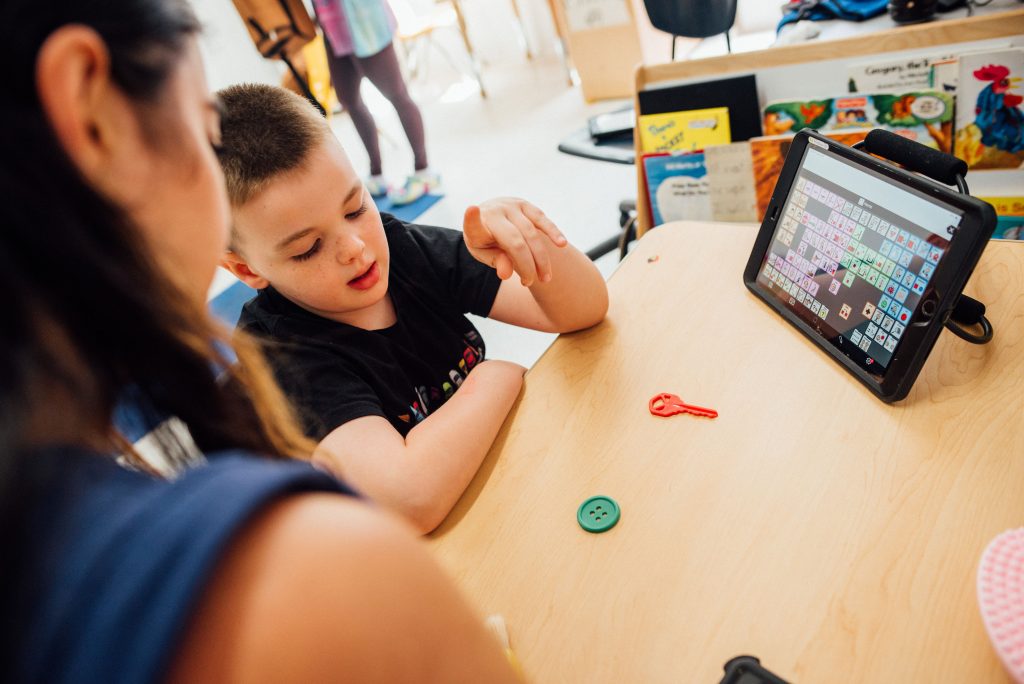

Teamwork and Shared Learning: A Community Approach to Student Success
Collaboration is central to our work. Staff plan, learn, and grow together, sharing strategies that strengthen consistency and effectiveness. This teamwork builds trust among staff and stability for children.
Team meetings help us reflect, celebrate progress, and solve challenges. These moments build unity and improve our approach. Staff learn from each other’s strengths and gain tools that support every child. Collaboration remains a core value in our program.
Key teamwork practices include:
-Sharing strategies across classrooms.
-Celebrating progress together.
-Solving challenges through group input.
-Supporting peers with guidance and care.
This collective approach creates a coordinated, aligned, and supportive experience for children.
Real Impact: Small Wins and Success Stories
The impact of training is seen in everyday moments. Small achievements reflect thoughtful guidance, teamwork, and consistent support. These successes reinforce our mission and commitment.
Progress may include a child mastering a new skill, engaging in group play, or remaining regulated during challenging tasks. Each milestone highlights the value of strong staff preparation.
Examples of Real Impact include:
-A child is completing a new task with ease.
-A student joining group play after coaching.
-A staff member guides smoother routines.
These moments demonstrate how effective training leads to meaningful progress.
Why Families Trust Us: The Heart of Our Training Philosophy
Families trust us because we invest deeply in training. Our team learns in supportive environments guided by experienced professionals and evidence-based practices. This preparation ensures both skill and compassion in daily care.
This commitment shapes steady and meaningful progress for students. At The Manhattan Behavioral Center, training excellence leads to student success. We invite families to learn more and see how our approach supports each child’s growth.