How The Manhattan Behavioral Center Advocates for Families

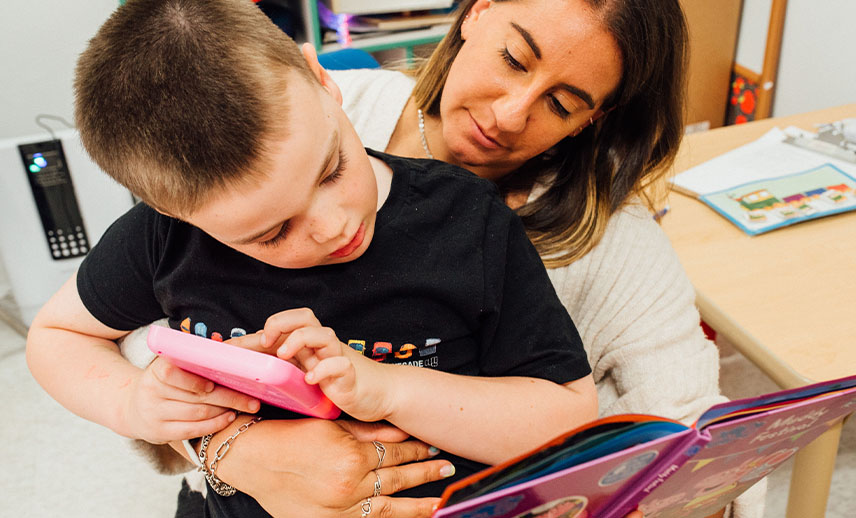
At The Manhattan Behavioral Center (MBC), our mission has always been rooted in one core belief: every child deserves access to the educational environment that best supports their way of learning. For many of our students, that means receiving a highly individualized 1:1 ABA-based program, an evidence-driven, intensive model. Some families must go through a hearing process to secure the funding and placement their children both require and deserve.

These hearings are not just procedural steps.

They are essential safeguards that protect a child’s right to meaningful education. And at MBC, we take the responsibility of guiding families through this process with the utmost seriousness, care, and dedication.

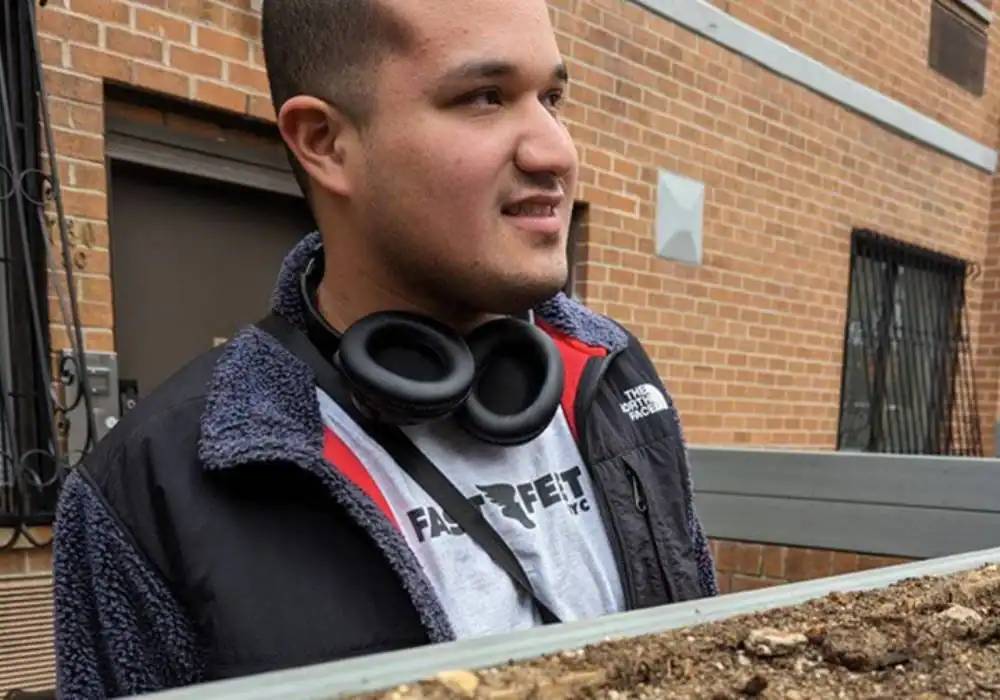
Advocates for Families at MBC

Why Hearings Matter for Our Families

Hearings allow families to advocate for the services their children need without taking on the financial strain of funding them independently. They create space for a fair review of each student’s learning profile, progress, and required supports. For our families, they can also be an emotional experience, one that we work hard to make as transparent, supportive, and manageable as possible.

Preparation That Goes Far Beyond the Basics

Our team’s involvement in hearings begins long before any formal date is set. Throughout the year, we maintain continuous communication with the attorneys representing our families. We review student progress, program details, and clinical supports to ensure everyone involved stays aligned.

When a hearing approaches, the preparation becomes even more rigorous:

– Comprehensive documentation is gathered and updated
– Affidavits and observations are drafted with precision
– Internal meetings and strategy sessions take place
– Collaboration with parents and attorneys intensifies
– Hours of personal preparation occur on the day of the hearing to ensure every detail is accounted for

This meticulous process ensures we enter each case confident, informed, and ready to present a clear and compelling picture of the child’s needs.

Partnership With Families at Every Step

One of the greatest strengths of MBC is the trusting, supportive relationships we build with families. We understand the stress and frustration they endure navigating this system. That’s why we prioritize:

– Regular phone calls, emails, and check-ins
– Meetings before and after IEPs and hearings
– Clear explanations of expectations, next steps, and outcomes
– Transparent communication with case managers and related service providers

Our families know they are not facing this process alone. They have a team behind them, fully present, fully prepared, and fully invested.

Collaboration With Attorneys That Sets Us Apart

Strong partnerships with legal teams are essential to successful hearings. Our relationships with attorneys are built on honesty, continuous communication, and mutual respect. We discuss case patterns, anticipate arguments, review historical challenges, and align on strategies that best support each child’s needs.

This level of coordination allows us to respond quickly and confidently to questions or challenges that arise during a hearing.

Documentation and Data That Tell a Clear Story

At MBC, data informs every decision we make.

Our team maintains detailed records across all domains, behavior plans, goals, progress reports, and session guidelines, so we can present an accurate, evidence-based narrative of each student’s growth and ongoing needs. This attention to detail strengthens our cases and uplifts the voices of the children we serve.

Balancing Advocacy With Compassion

Every hearing is different because every child is unique. We approach each case with a balance of strong advocacy and deep empathy. Our preparation includes reviewing not just the clinical information but also the emotional experience of our families. We recognize the frustrations they face, the barriers they encounter, and the reality that our students unequivocally deserve the services we fight for.

Working as One Unified Team

Nothing at MBC is accomplished by one person. Our educational, clinical, legal, and administrative teams work in seamless partnership, sharing feedback, adjusting practices, and evolving our processes based on what best supports student outcomes. This unified approach ensures consistency, strength, and clarity in every case.

What We Strive for in Every Hearing

Our goal is not simply to “win.”

Our goal is to work with the family and attorney to secure fair, meaningful outcomes that allow children to access the services they need to thrive. We fight so families can focus less on navigating the system and more on supporting their child’s growth. 

A Reflection on Our Purpose

Advocating for our families through the hearing process has become one of the most meaningful parts of our work. It is an honor to stand beside them, to lessen their load, and to ensure their children’s needs are understood, acknowledged, and protected.

At The Manhattan Behavioral Center, our mission is unwavering:

to continue fighting for what every child deserves—an education that empowers them to grow, learn, and succeed.

A Day in the Life of a Behavior Technician at the Manhattan Behavioral Center

At the Manhattan Behavioral Center, every day begins with purpose. Our Behavior Technicians arrive at 8:30 a.m., ready to make a difference in the lives of children with autism. Working in a clinic-like setting, they are the heart of our program, implementing evidence-based Applied Behavior Analysis (ABA) interventions, supporting each child’s unique learning journey, and helping families see what’s possible when the right supports are in place.

A Typical Day: Structure with Heart

From 8:30 a.m. to 4:30 p.m., our technicians work alongside a team of passionate professionals, behavior analysts, speech therapists, physical therapists, and occupational therapists in a warm, structured environment. Each technician rotates among a small group of children, ensuring individualized attention and support.

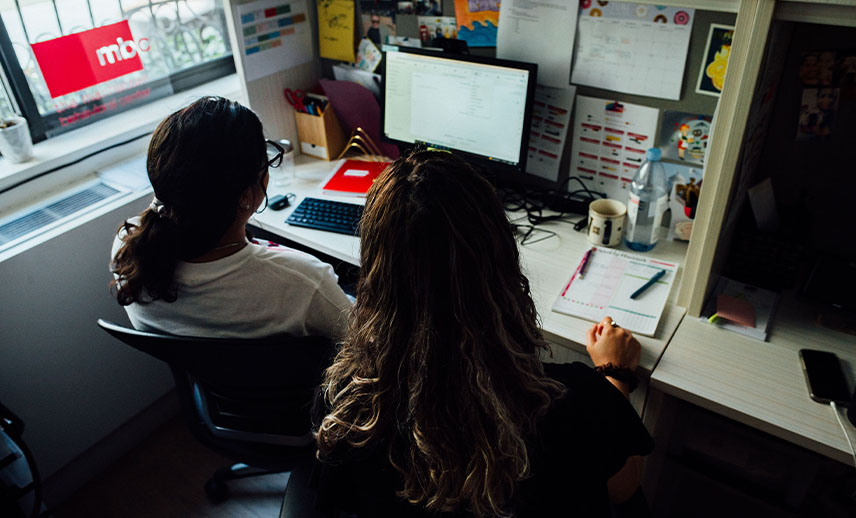
Their day includes implementing each child’s personalized ABA program, collecting detailed data, and graphing progress to ensure every small victory is recognized. They create materials, adapt curriculum, and participate in ongoing assessments that guide intervention planning. Behind each chart or data point is a child learning to communicate, play, and connect in ways that once seemed out of reach.

Moving Through the Day: Dynamic, Individualized Support Across Our Campus

No two days are exactly alike. Throughout the day, technicians move fluidly across our vibrant campus, from enjoying the staff lounge, the indoor classrooms, to the gym, from our outdoor play areas to designated sensory or one-on-one therapy spaces. Each environment offers unique opportunities for learning and growth, and technicians are trained to recognize how to best use each space to support a child’s goals.

Some children thrive in community based excursions, group settings, working alongside peers to build social, communication, and play skills with the guidance of a technician. Others benefit from more individualized instruction, and our team ensures these sessions are just as engaging and effective. Regardless of the setting, support is never far away; technicians always have access to our Crisis Team and program directors, ensuring that both children and staff feel supported throughout the day.

Transitions between settings are thoughtfully planned, balancing routine with flexibility to meet each child’s needs. Whether it’s a structured group activity in the gym, a small group art project, a quiet moment of regulation in a sensory toy, or skill-building during outdoor play, our technicians guide children with patience, creativity, and care.

Beyond the Program: The Human Connection

What makes the Manhattan Behavioral Center truly special is that our children don’t have traditional placement options. Here, they find not just a program, but a community. Parents often work tirelessly with specialized attorneys and advocates to secure placement in our center because they know the life-changing difference it can make.

Our Behavior Technicians stand at the front lines of that transformation. They help children build essential skills: making eye contact, asking for help, playing alongside peers, or completing tasks independently. They also work tirelessly to reduce behaviors that can interfere with learning or safety, behaviors that, without proper intervention, could limit a child’s ability to thrive in daily life.

The Impact: Changing Lives, One Small Step at a Time

The impact of a Behavior Technician’s work extends far beyond the clinic walls. A child who once struggled to communicate might now greet their parent with a smile and a word. A student who previously engaged in self-injury may now express frustration safely through language. These are not small wins, they are milestones of progress that redefine what is possible for a child and their family.

Many of our most remarkable success stories began with the dedication of a single Behavior Technician, someone who showed up every day, believed in the potential of their client, and never stopped working toward progress. Their patience, compassion, and skill lay the foundation for our clients’ future successes and for their own, many go on to become Board Certified Behavior Analysts (BCBAs), continuing their journey of impact in the field of autism intervention.

A Profession of Purpose

To be a Behavior Technician at the Manhattan Behavioral Center is to hold one of the most meaningful roles in the world of human services. It’s about celebrating progress, however small, and knowing that each moment of connection, every skill mastered, and every reduction in challenging behavior adds up to something extraordinary: a life with greater independence, confidence, and joy.

At the end of each day, our technicians leave knowing they’ve done more than implement a program, they’ve changed a life.

Building Connection Through Joy: Inside MCC’s Carnival Fun Fair

Inside MCC Manhattan’s Campus Expansion: A New Era for Autism Education!

How Can Manhattan Children’s Center Help Children with Autism in NYC?