


A Day in the Life of a Senior Crisis RBT: Behind the Scenes at Manhattan Behavior Center

Every day at Manhattan Behavior Center starts with a purpose. As a Senior Crisis Registered Behavior Technician (RBT), my role is dynamic, fast-paced, and deeply rewarding. No two days look exactly the same—but each one is centered around supporting our students and staff as we share the same mission of safety, growth, and regulation.
Starting the Day
My day begins by reviewing schedules, student profiles, and individualized behavior support plans. Before students arrive, our team meets for brief check-ins to align on goals, staffing needs, and any anticipated challenges. These early conversations help ensure the day runs smoothly and that supports are in place before students enter the building.
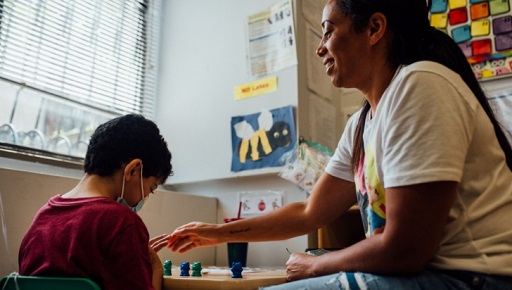
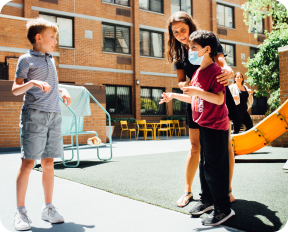
Supporting Students From Arrival to Dismissal
Support begins the moment students arrive—often during bussing and drop-off. During this time, I closely observe each student’s behavior to understand how they present during transitions. I look for early signs of overwhelm, such as changes in body language, affect, or engagement level.
These observations allow me to respond proactively by adjusting supports—offering sensory tools, modifying expectations, or providing additional staff support—to help each student transition successfully into the classroom.
Once the day is underway, I implement behavior intervention plans, assist with transitions, and step in during higher-intensity situations. Using de-escalation strategies, emotional regulation techniques, and trauma-informed care, I help students regain a sense of control and safety.
Operational and Team Support Responsibilities
In addition to direct student support, I also manage several operational responsibilities that help keep the center running efficiently. These include answering phone calls, monitoring and responding to team text communications, and coordinating staff coverage and breaks throughout the day. Ensuring staff receive timely breaks and support allows them to remain regulated and effective in their roles, which ultimately benefits our students.
I also provide real-time coaching to staff, model best practices, and help maintain consistency across classrooms and environments. Data collection and documentation are completed throughout the day to support clinical oversight and informed decision-making.
Navigating Challenges
Crisis work requires adaptability, patience, and strong communication. Supporting students during moments of dysregulation—particularly during transitions—can be challenging. Balancing student needs with operational demands requires constant prioritization. What makes this possible is teamwork and the ability to problem-solve collaboratively in real time.
The Most Rewarding Moments
The most rewarding moments often happen quietly—when a student independently uses a coping strategy, transitions into the classroom successfully, or recovers from a difficult moment and re-engages. These small victories reflect meaningful progress and remind me why this work is so important.
Working as a Team
Collaboration is at the heart of Manhattan Behavior Center. I work closely with BCBAs, the Director of Crisis Management, Therapists, Related Services, and the Crisis Team to share observations, coordinate supports, and refine intervention strategies. Open communication—whether in person, by phone, or through team messaging—helps ensure consistency and quality care for every student.
Advice for New Crisis RBTs
For those entering a Crisis RBT role, my advice is to stay observant, flexible, and compassionate—with both students and yourself. If possible, read up on each student’s BIP daily and talk with the Case Managers. Pay close attention during transitions, communicate clearly with your team, and prioritize self-regulation. This role is demanding, but your leadership and presence are critical to creating a safe and supportive environment.
Being a Senior Crisis RBT at Manhattan Behavior Center is more than a job—it’s a commitment to teamwork, responsiveness, and supporting every child in their most challenging moments.